

139 total views
Tourism is a vital sector for Tasmania, attracting millions of domestic and international visitors each year. From the pristine wilderness of Cradle Mountain to the vibrant culture of Hobart’s Salamanca Market, the island state offers unique experiences. However, managing visitor expectations, providing personalized recommendations, and ensuring seamless travel logistics can be challenging.
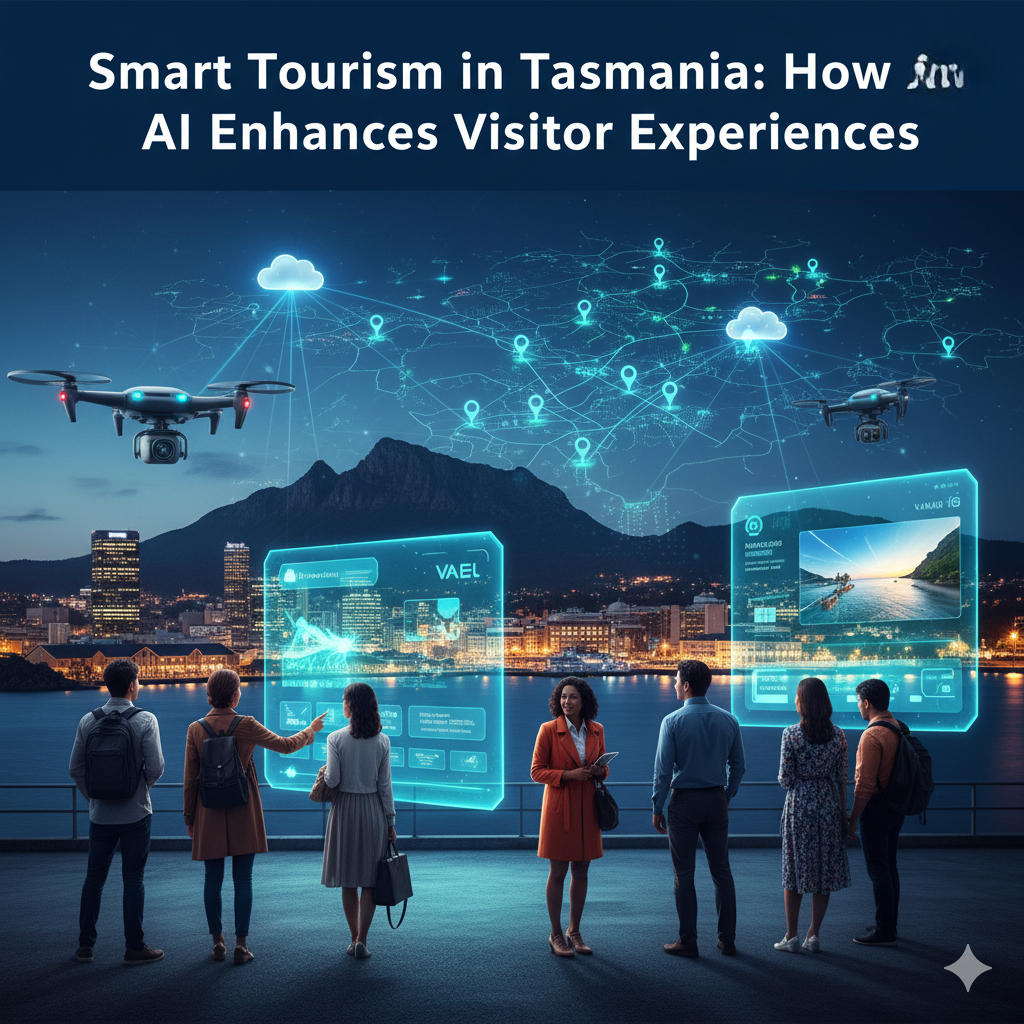
This is where Artificial Intelligence (AI) is transforming the tourism landscape. AI-powered solutions are helping travel operators, hotels, and tour companies deliver personalized, efficient, and engaging experiences for visitors. By partnering with a travel app development company or an app development company in Hobart, businesses can leverage AI to create intelligent, user-centric apps that redefine tourism in Tasmania.
The Role of AI in Modern Tourism
AI is no longer just a futuristic concept; it is actively shaping the tourism sector worldwide. Key applications of AI in tourism include:
- Personalized Recommendations: Suggesting attractions, restaurants, or activities based on visitor preferences and behavior.
- Smart Booking Systems: Automating hotel, tour, and transport bookings with predictive algorithms.
- Chatbots and Virtual Assistants: Providing instant support, guidance, and travel tips.
- Predictive Analytics: Forecasting peak tourist periods and optimizing resource allocation.
- Enhanced Customer Experience: Tailoring offers and itineraries for individual travelers.
By integrating these features into mobile applications, tourism businesses in Tasmania can enhance visitor engagement, improve operational efficiency, and generate higher revenue.
AI-Enhanced Travel Experiences in Tasmania
1. Personalized Itineraries
Visitors often struggle to plan their trips efficiently. AI-powered travel apps can analyze user preferences, past travel history, and real-time data to create customized itineraries. For instance:
- A nature enthusiast visiting Hobart might receive recommendations for hiking trails in Mount Wellington, combined with eco-friendly accommodation options.
- A foodie could be guided to local markets, wine tours in the Tamar Valley, and restaurants featuring Tasmanian produce.
Partnering with a travel app development company ensures that these recommendations are intuitive, dynamic, and adaptable, giving each visitor a unique and memorable experience.
2. Real-Time Assistance with Chatbots
AI-powered chatbots provide 24/7 assistance to tourists, answering common queries like:
- “What’s the best route from Hobart to Bruny Island?”
- “Are there vegetarian-friendly restaurants near Salamanca Market?”
- “What is the current weather at Wineglass Bay?”
These chatbots can also handle bookings, suggest local events, and provide emergency guidance, ensuring that tourists feel supported throughout their journey. By engaging an app development company in Hobart, tourism operators can create localized chatbots that understand regional nuances and enhance user satisfaction.
3. Predictive Analytics for Tourism Management
AI can analyze historical data, social media trends, and seasonal patterns to predict visitor influx at popular destinations. For Tasmania, this means:
- Anticipating peak visitor periods in Hobart, Launceston, and Freycinet National Park.
- Optimizing staff allocation in hotels, restaurants, and tour operators.
- Reducing overcrowding at popular attractions through real-time notifications.
Predictive insights not only improve operational efficiency but also enhance visitor experiences by ensuring smoother and more personalized services.
4. Enhanced Local Exploration with Augmented Reality (AR)
AI combined with AR provides immersive experiences for tourists. For example:
- Visitors can use an AI-powered app to explore Hobart’s historic sites with interactive AR guides, offering historical facts, audio commentary, and even virtual reconstructions.
- Nature trails can include AR overlays showing local flora and fauna, creating an educational and engaging experience.
Such intelligent features, developed by a travel app development company, make trips memorable and interactive, encouraging repeat visits and positive reviews.
5. Smart Recommendations for Sustainable Tourism
Sustainability is increasingly important in Tasmania’s tourism sector. AI can help tourists make eco-friendly choices:
- Suggesting routes that reduce carbon emissions.
- Recommending locally-owned accommodations and restaurants.
- Highlighting conservation-friendly activities.
Through AI-driven sustainability features, apps can influence traveler behavior and promote responsible tourism, which aligns with Tasmania’s environmental ethos.
Benefits of AI-Powered Travel Apps in Tasmania
- Improved Visitor Engagement: Personalized experiences increase user satisfaction and app retention.
- Operational Efficiency: Automated bookings, predictive analytics, and AI-driven recommendations streamline workflows for tourism operators.
- Revenue Growth: Targeted offers, upselling, and cross-selling features enhance profitability.
- Enhanced Safety: AI can monitor weather conditions, crowd levels, and emergency alerts to keep tourists safe.
- Data-Driven Decision Making: Insights gathered from app usage help operators optimize services and tailor marketing strategies.
Case Studies: AI in Tourism Applications
1. AI-Powered Tour Recommendations
A travel app development company developed a Tasmanian tourism app that uses AI to suggest day-trip itineraries. Visitors input their interests (nature, food, history) and the app generates custom routes including timing, ticket bookings, and dining options. The result: higher engagement and more bookings for local businesses.
2. Virtual Concierge for Hobart Hotels
An app development company in Hobart created a virtual concierge app for boutique hotels. The AI chatbot handles room service requests, local recommendations, and travel queries. Guest satisfaction improved by 35%, and staff workload decreased significantly.
Challenges and Considerations
While AI offers transformative benefits, tourism operators in Tasmania should consider:
- Data Privacy: Collecting visitor data requires strict adherence to privacy regulations.
- User Adoption: Tourists may need guidance to use AI-powered apps effectively.
- Integration with Existing Systems: Apps must seamlessly integrate with booking platforms, POS systems, and local service providers.
- Cost of Development: Developing AI-powered features requires investment, making partnerships with experienced travel app development companies essential.
With proper planning, these challenges can be overcome to create high-impact, user-friendly solutions.
Future of AI in Tasmanian Tourism
The future of smart tourism in Tasmania looks promising:
- Voice-Activated AI Guides: Tourists can receive real-time guidance through smart devices.
- AI-Driven Transportation: Predictive algorithms can optimize shuttle services between popular attractions.
- Personalized Marketing: AI will deliver tailored offers based on tourist behavior and preferences.
- Integration with Wearables: Smart wearables could monitor health, provide navigation, and enhance safety.
Tourism operators who leverage AI early will gain a competitive edge, offering more engaging, safe, and personalized experiences.
How to Get Started
For tourism operators in Tasmania looking to implement AI solutions:
- Identify Goals: Determine whether the focus is on personalized itineraries, booking automation, or sustainability.
- Choose the Right Partner: Collaborate with a travel app development company or app development company in Hobart with experience in AI applications.
- Design User-Centric Interfaces: Ensure the app is intuitive and accessible for domestic and international tourists.
- Leverage Data Analytics: Use insights to continually improve recommendations and services.
- Promote Your App: Encourage downloads through tourism boards, social media, and local partnerships.
By following these steps, operators can create AI-powered solutions that delight visitors and boost business growth.
Conclusion
Artificial Intelligence is reshaping tourism in Tasmania, enabling smarter, more personalized, and sustainable visitor experiences. From AI-driven itineraries to real-time virtual assistance, the possibilities are vast.
Partnering with a travel app development company or app development company in Hobart ensures that these solutions are technologically robust, user-friendly, and tailored to local needs. By embracing AI, Tasmania’s tourism sector can offer unforgettable experiences, streamline operations, and position itself as a global leader in smart tourism.